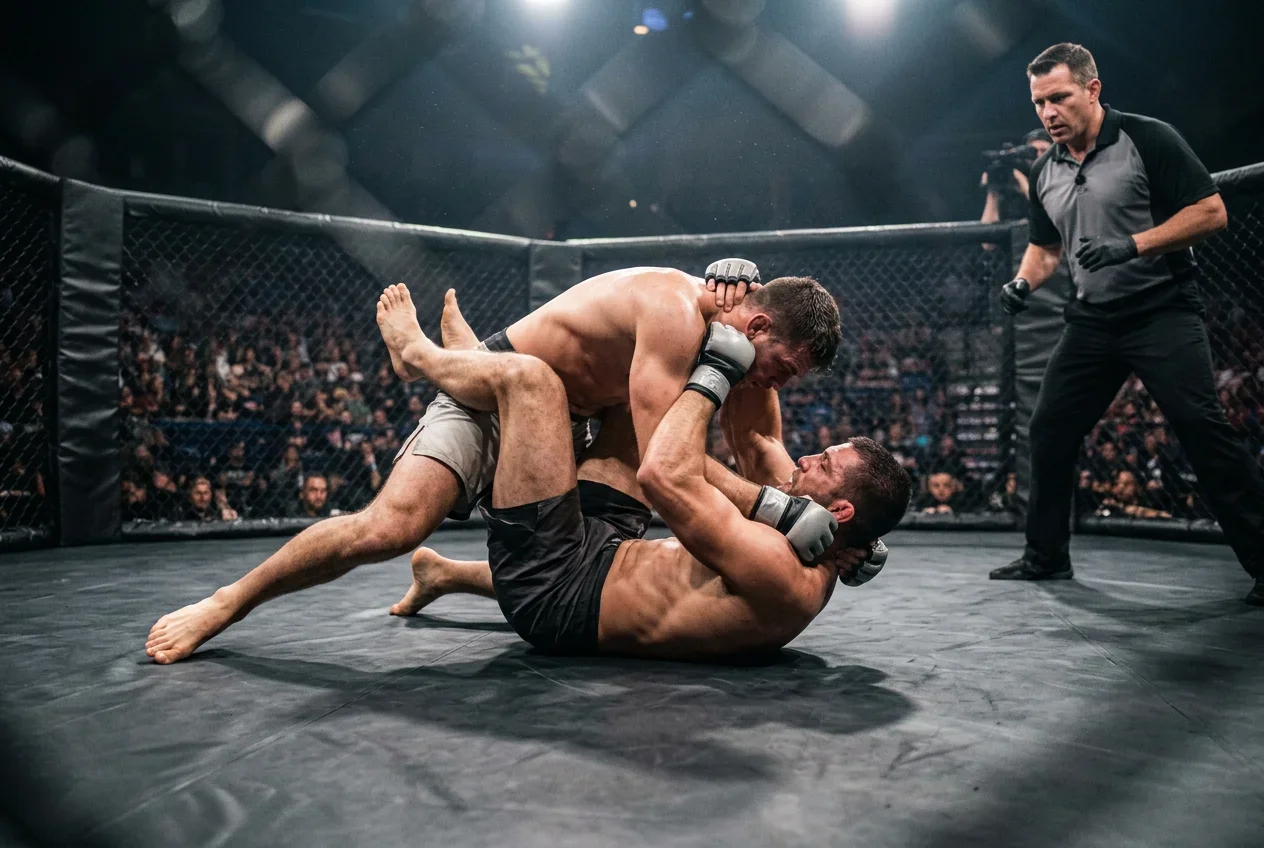
UFC Live Betting: In-Fight Wagering Strategies and Tips
 Available in US
Table of Contents
Why UFC Is Built for Live Betting
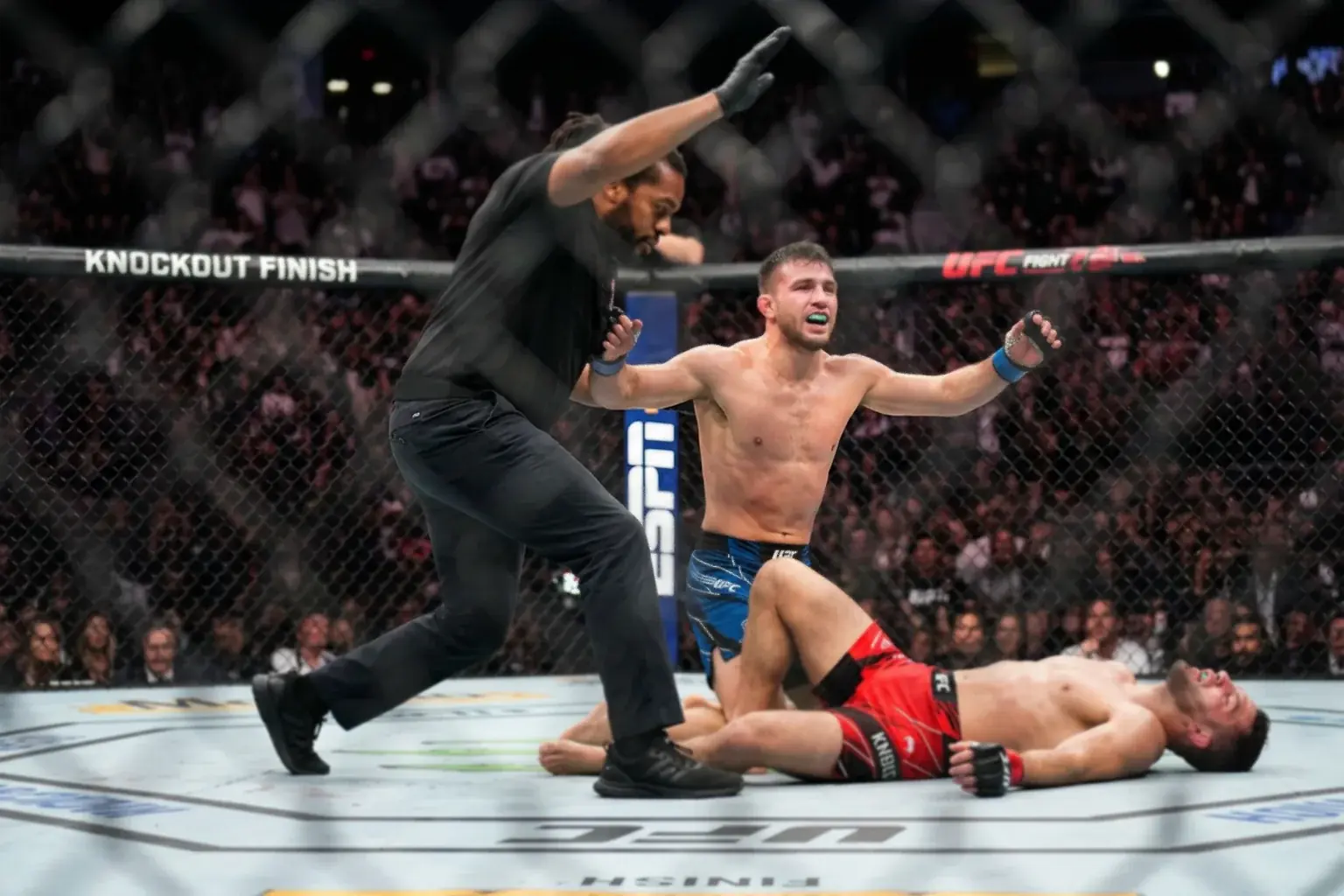
I was watching a main event last year when a -350 favorite ate an overhand right in the first thirty seconds and stumbled backward into the cage. He recovered, won the round, and eventually took a unanimous decision. But for about ninety seconds, his live odds flipped to plus money – and the bettors who recognized that the knockdown wasn’t fight-ending had a window to back the better fighter at underdog prices. That kind of moment doesn’t exist in football or baseball. It’s uniquely UFC.
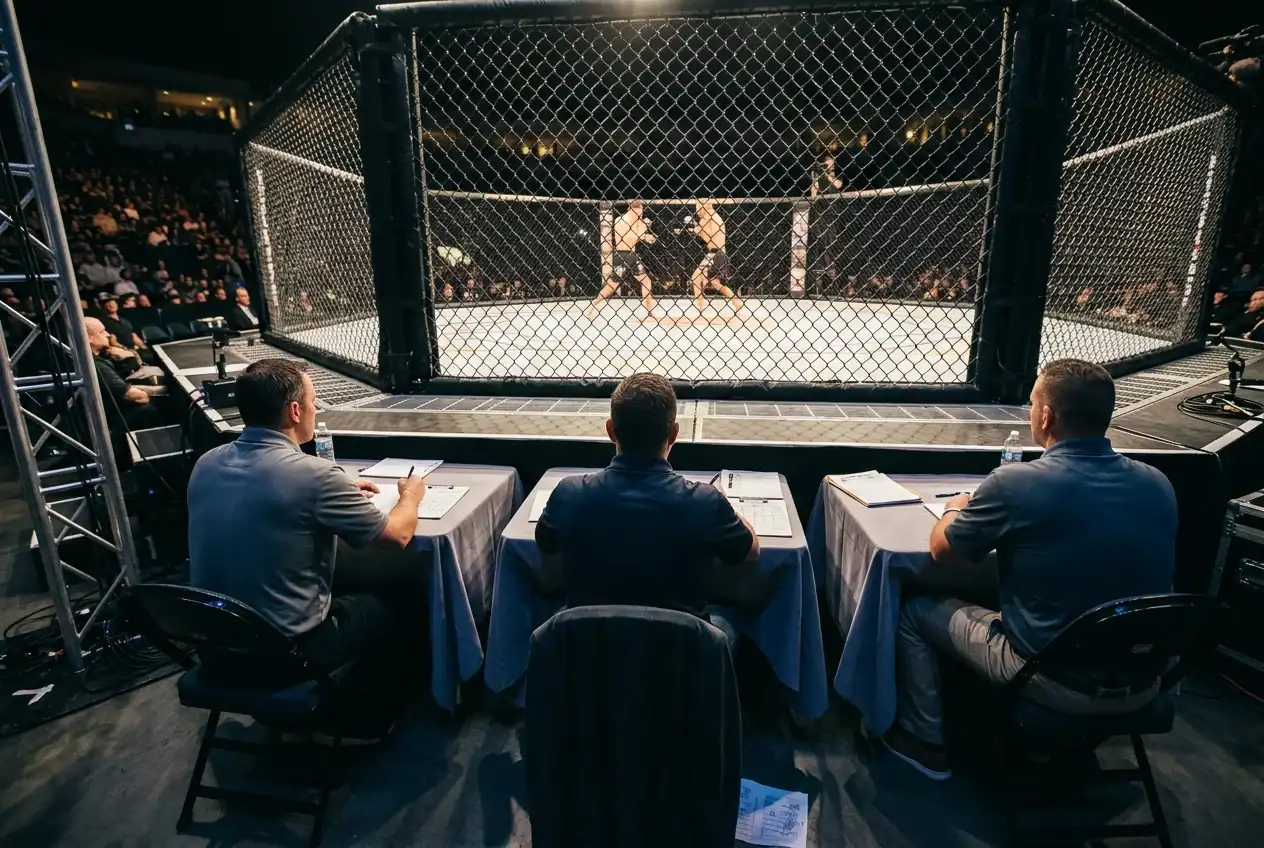
Mixed martial arts is structurally designed for live betting in ways that team sports can’t replicate. UFC fights are short – three rounds of five minutes each for standard bouts, five rounds for main events and title fights. Each round creates a natural pause where sportsbooks recalculate odds and bettors reassess. The action within rounds produces visible momentum shifts – a takedown, a clinch exchange, a cut opened above the eye – that immediately reshape the fight’s probability landscape.
UFC runs 43 events per year, nearly one every weekend, with each card delivering 12 to 14 individual fights over a 5 to 6 hour broadcast window. That’s 550+ live betting opportunities annually, each lasting 15 to 25 minutes. No other major sport offers this combination of frequency, brevity, and in-contest volatility. The sportsbook industry has noticed: live UFC markets have expanded dramatically since 2022, with more prop options, faster line updates, and higher limits than ever before.
The appeal for bettors is information. Pre-fight analysis is educated guessing – you’re projecting how a matchup will unfold based on historical data and stylistic assessments. Live betting lets you react to what you’re actually seeing. A wrestler who can’t get the takedown, a striker who looks sluggish at weigh-in weight, a fighter who came in with a game plan that clearly isn’t working. Those observations, processed in real time, translate to pricing advantages when the sportsbook’s algorithm hasn’t fully adjusted.
How UFC In-Play Markets Open and Close
The mechanics of UFC live betting are deceptively simple on the surface but nuanced underneath. If you’ve only bet pre-fight, the rhythm of in-play markets takes getting used to – and understanding when markets are open, when they’re suspended, and when the odds update saves you from costly mistakes.
Live UFC markets typically open when the fight begins and remain active throughout each round, though many sportsbooks suspend betting briefly during significant fight events – a knockdown, a submission attempt, or a referee intervention. Between rounds, markets reopen with adjusted odds that reflect the round just completed. This between-round window is the most liquid and predictable moment in live UFC betting. If you’re still building your comfort with how odds formats translate to probability, understanding that foundation first makes live odds movement much easier to interpret.
During the round itself, odds update continuously based on the sportsbook’s live model. These models process fight data in near real-time – significant strikes landed, control time, takedowns, and visible damage – and adjust the moneyline accordingly. A fighter who dominates two minutes of a round will see his live odds shorten even before the round ends. The speed of these updates varies by platform. Some sportsbooks update every 15 to 20 seconds during active fighting; others adjust only during natural pauses in the action.
bet365, which became UFC’s official US and Canadian betting partner in March 2026, has invested heavily in its live MMA product. The transition from DraftKings – which held the partnership for five years – brought changes to how live markets are structured, including expanded in-round prop availability and tighter latency between fight action and odds updates. These platform-level differences matter for live bettors because a two-second delay in odds adjustment can mean the difference between catching a value line and betting into a price that’s already moved.
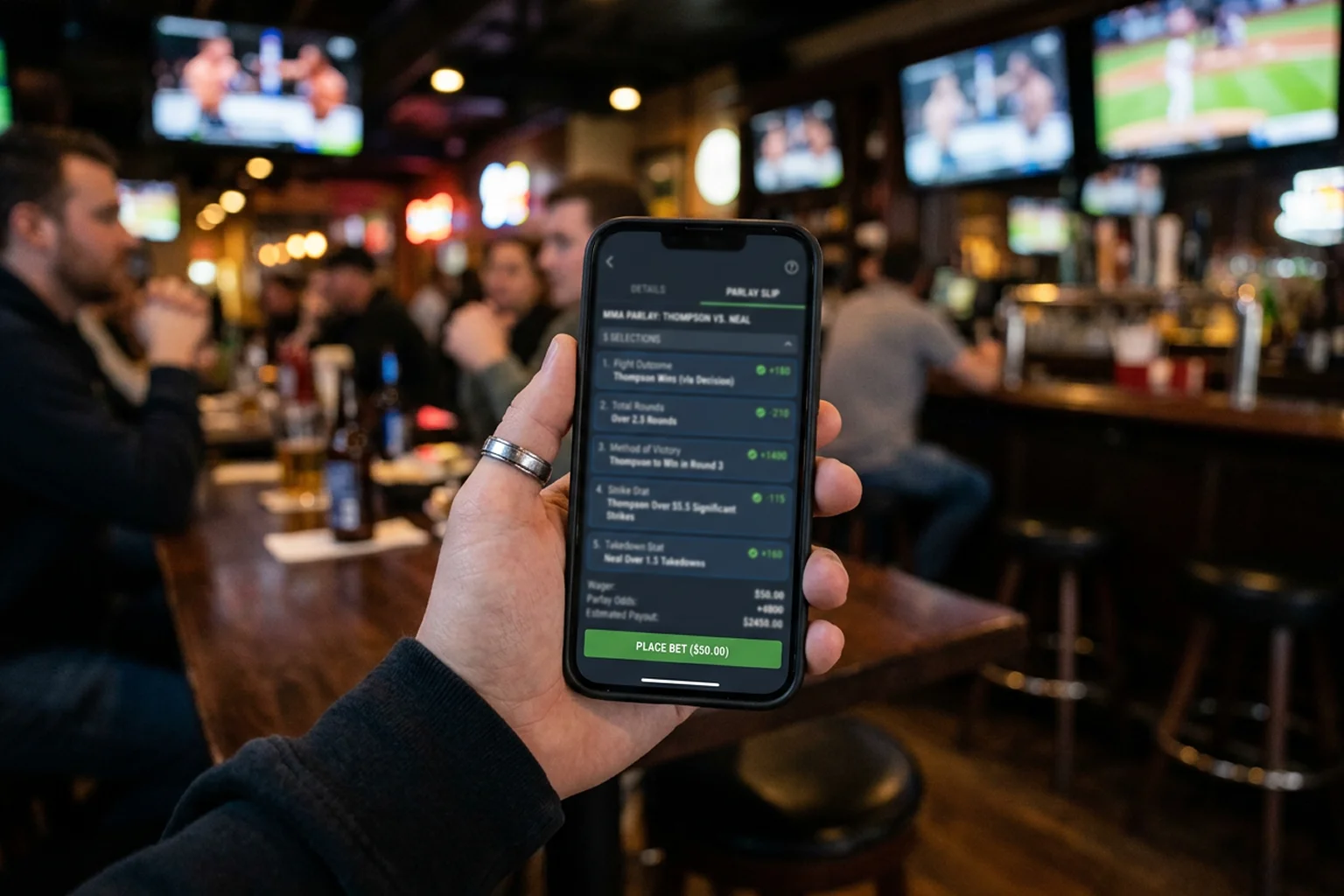
One mechanical detail that catches new live bettors off guard: not all bet types are available in-play. Moneyline and basic round totals are universally offered during fights. Method of victory, exact round finish, and fighter performance props may only be available between rounds or may close entirely after the first round. Knowing which markets stay open during which phases of the fight is essential preparation before the card starts. Check your sportsbook’s live betting menu during a prelim fight before committing money on a main card bout – the available options and their timing vary more than most people expect.
Between-Round Windows: The Key Betting Moment
If you ask me when the single best time to place a live UFC bet is, I’ll give you the same answer every time: the sixty seconds between rounds. Not during the action. Not five minutes before the fight. The between-round window is where information, liquidity, and odds availability intersect in the most favorable way for the bettor.
During the one-minute rest period, sportsbooks have time to recalculate their models based on the completed round’s data. The odds posted at this moment reflect a more considered assessment than the rapid-fire updates during the round itself, where algorithms are reacting to every jab and clinch break. But the key advantage for the bettor is that the between-round odds don’t yet account for corner advice, fighter recovery, or the strategic adjustments that come from a fighter’s team having sixty seconds to diagnose problems and change the game plan.
Here’s a scenario I’ve profited from repeatedly. A strong grappler loses the first round on the feet, unable to close distance against a rangey striker. The live odds adjust to reflect that the grappler is “losing.” But I’ve watched this grappler’s corner work before – they’re excellent at mid-fight adjustments. They tell him to change levels earlier, to feint the jab before shooting, to pressure against the cage rather than in open space. In the second round, the grappler implements the adjustment, gets the fight to the mat, and dominates. The between-round odds gave me plus-money on a fighter whose fundamental skill advantage hadn’t changed – only his tactical execution needed correction.
Not every between-round adjustment works, obviously. But the structural advantage of this window is real: sportsbooks price what happened, not what’s about to happen. A bettor who understands the strategic dimension – who watches corners, reads body language during the break, notices whether a cut is worsening or whether a fighter’s breathing has stabilized – has information that the algorithm hasn’t priced in.
Practically, you need to be ready to act fast. The between-round window lasts only sixty seconds, and the first 10 to 15 seconds are spent waiting for the sportsbook to repost lines. That leaves you 45 seconds to assess, decide, and place. Having your analysis framework ready before the fight starts – knowing which scenarios trigger a live bet and at what odds – prevents scrambled decisions under time pressure.
Reading Fight Momentum for Live Odds Value
Here’s something most live betting guides won’t tell you: momentum in UFC is one of the most overrated concepts in combat sports analysis. A fighter who “has momentum” after winning the first round is not statistically more likely to win the second. Fights reset between rounds. Fatigue, damage accumulation, and corner strategy matter more than psychological momentum. But the betting market prices momentum heavily – and that creates value on the other side.
When a fighter dominates round one, the live odds swing dramatically in his favor. A pre-fight -150 favorite might move to -300 or -400 after a dominant opening round. The sportsbook’s algorithm weighs recent action heavily, and the public piles money on the “winning” side. But the actual probability shift is often smaller than the odds suggest, especially in fights where the losing fighter has a proven ability to adapt. Submission specialists, for example, frequently lose early rounds on the feet before implementing their grappling game plan in the middle rounds. The live odds after round one don’t always reflect that late-fight adjustment pattern.
Submissions account for roughly 20% of UFC finishes, and they often come from fighters who are losing on the scorecards. A grappler down two rounds to one who suddenly locks in a choke isn’t a fluke – it’s a fighter executing Plan B after Plan A failed. The live odds at that point in the fight have already priced the grappler as a heavy underdog, which means the submission threat is undervalued relative to its actual probability.
What I look for in live momentum reads isn’t who’s winning – it’s who’s doing damage that accumulates and who’s doing damage that looks dramatic but doesn’t compound. A leg kick that buckles an opponent in round one will affect his movement in rounds two and three. A flashy head kick that misses by an inch has zero cumulative impact. The striking statistics shown on the broadcast don’t distinguish between these two types of strikes, but the visual read does. Sportsbook algorithms process the numbers; live bettors process the context.
Heavyweight is the division where live momentum readings are least reliable. Nearly two out of three heavyweight fights end by KO or TKO, which means a single punch can reverse any momentum trend at any moment. Betting on a heavyweight fighter to “come back” after losing a round is inherently risky because the finish power on both sides makes the fight binary regardless of who’s ahead on the scorecards. In lighter divisions where decisions are more common, momentum-based live plays carry lower variance and more predictable outcomes.
Live Props Available During UFC Fights
Live prop markets have expanded faster than any other segment of UFC betting over the past three years. What used to be a moneyline-only in-play experience now includes round-by-round winner markets, running totals on significant strikes, next-round finish props, and method of victory adjustments that update after every round.
The most actionable live prop in my experience is the “next round” market – betting on whether the fight ends in the upcoming round and by which method. After watching two rounds of a five-round fight, you have real data on pace, damage, and fatigue levels. If both fighters are slowing visibly and the significant strike output dropped by 30% from round one to round two, an “Over” total on remaining rounds becomes more attractive than the pre-fight assessment would have suggested.
Round winner props – picking who wins an individual round rather than the fight – are another live market that rewards attentive viewers. Sportsbooks post these between rounds based on the overall fight odds, but they don’t always account for the specific dynamics of what’s about to happen. If a wrestler lost the first two rounds standing but his opponent is visibly tired and dropping his hands, the wrestler’s round three win odds might be underpriced relative to the likelihood of a late takedown.
Live “fight goes the distance” props adjust after each round based on the probability of a finish in the remaining time. These props are most useful in fights that have exceeded early finish expectations. A heavyweight bout that reaches the third round has already defied the division’s base rate of two-thirds early finishes, and the “goes the distance” prop price at that point often hasn’t fully adjusted to reflect the reduced finish probability in later rounds between two fighters who’ve already proven they can absorb each other’s power.
Sportsbook Features for UFC Live Wagering
Not all sportsbooks treat UFC live betting equally, and the platform you choose for in-play wagering affects your experience in ways that go beyond odds quality. Nicholas Smith, TKO’s Senior Vice President of Global Partnerships, described the bet365 deal by noting that the partnership enhances the viewing experience through deeper insights, dynamic odds, and more ways for fans to engage responsibly with every bout from opening bell to final decision. That language reflects the industry’s direction: live betting is becoming a viewing companion, not just a transaction.
The features that matter most for UFC live bettors are update speed, market depth, and cash-out availability. Update speed determines how quickly odds reflect in-fight action – a two-second lag might seem trivial, but in a sport where knockdowns happen in fractions of a second, stale odds create either unintended exposure or missed opportunities. Market depth refers to how many live bet types are available and during which phases of the fight. Some platforms offer 15+ live markets during main events; others stick to moneyline and total rounds only.
Cash-out features let you close a live bet before the fight ends, locking in profit or cutting losses based on the current odds. This tool is genuinely useful for UFC live betting because fight momentum swings are dramatic and frequent. If you backed an underdog between rounds one and two and he’s now dominating round three, cashing out at 70% of the potential profit eliminates the risk of a late reversal. The tradeoff is that the sportsbook prices cash-outs in its favor – you’ll never get full value – but as a risk management tool, it’s worth having available.
Live streaming integration is increasingly standard. Watching the fight on the same platform where you’re placing bets reduces the information lag between seeing something happen and acting on it. If you’re watching on one screen and betting on another, even a five-second broadcast delay creates a disadvantage against bettors who are on-site or using faster streams. Platform consolidation – viewing and wagering on the same app – is the direction the industry is heading, and UFC’s partnership structure with its official betting partner accelerates that integration.
Managing Risk in Real-Time UFC Betting
The biggest danger of live betting isn’t bad analysis – it’s impulsive decision-making under adrenaline. I’ve been there. A fighter you bet pre-fight gets rocked in round one, the panic kicks in, and before you’ve processed what actually happened, you’ve hedged, doubled down, or placed three new wagers in sixty seconds. All three lose. Live betting without risk controls is a fast track to blown bankrolls.
Rule number one: set a live betting budget before the card starts and treat it as a hard ceiling. I allocate a specific dollar amount – separate from my pre-fight bets – for live plays on each event. When that amount is spent, I’m done regardless of how many “opportunities” I think I see. This prevents the chasing behavior that turns a disciplined pre-fight plan into a scattered live betting catastrophe.
Rule number two: have pre-defined scenarios, not reactions. Before each fight, I identify one or two specific situations that would trigger a live bet. “If Fighter A loses round one on the feet but isn’t visibly hurt, I’ll back him between rounds at +150 or better.” “If this fight reaches round three, I’ll take the ‘goes the distance’ prop.” These pre-set triggers prevent emotional decision-making because the analysis is done before the adrenaline starts flowing.
Rule number three: respect the hold. The national sportsbook hold percentage sits above 9%, and live markets typically carry wider margins than pre-fight lines because the sportsbook is pricing under time pressure and uncertainty. Every live bet you place is paying that premium. This doesn’t make live betting unprofitable, but it does mean your edge needs to be larger per bet to overcome the higher built-in cost. A marginal edge that works on pre-fight lines might be negative expected value after the live market’s wider vig.
Rule number four: don’t hedge pre-fight bets reflexively. If you backed a fighter pre-fight and he’s losing after two rounds, placing a live bet on the opponent “to guarantee something back” is usually a value-destructive move. The math almost always favors letting your original bet ride rather than paying the vig on both sides. The exception is if your live analysis has genuinely changed – if you now believe the opponent wins more than his live odds imply, that’s a new bet with its own justification, not a hedge.
UFC Live Betting FAQ
Live betting moves fast, and the questions below address the most common sources of confusion for bettors stepping into in-play UFC markets.
Can you place bets during a UFC round or only between rounds?
Most US sportsbooks allow betting during active rounds, though markets may briefly suspend during significant fight events like knockdowns or submission attempts. Between-round breaks offer the most stable and fully available betting windows, with all live markets typically open and odds reflecting the completed round’s data. In-round betting is faster-paced and carries more risk of prices moving against you before your bet is confirmed.
How quickly do UFC live odds change during a fight?
Live odds update every 15 to 30 seconds during active rounds on most platforms, with faster adjustments during high-action sequences. Between rounds, odds are recalculated based on the full round’s data and typically stabilize within 10 to 15 seconds of the break starting. A dominant round can shift a fighter’s moneyline by 100 to 200 points or more. The speed varies by sportsbook – platforms with dedicated MMA trading desks tend to update faster than generalist sportsbooks.
What is the biggest advantage of UFC live betting over pre-fight?
Information. Pre-fight betting is projection based on historical data and matchup analysis. Live betting lets you observe actual fight dynamics – pace, power, cardio, cage control, game plan effectiveness – and bet on what you’re seeing rather than what you predicted. The most profitable live betting scenarios emerge when pre-fight expectations are wrong: a heavy favorite who looks slower than expected, an underdog whose game plan is working better than the market anticipated. Those real-time observations create pricing opportunities that don’t exist before the fight starts.
Are live UFC betting limits lower than pre-fight limits?
Generally yes. Sportsbooks manage their exposure more conservatively during live events because the outcome is unfolding in real time and the risk of being on the wrong side of a sudden line move is higher. Live limits on UFC main events are typically 40 to 60% of pre-fight limits, and limits on prelim fights can be substantially lower. Limits also tend to decrease as a fight progresses – the closer to the finish, the lower the accepted wager size. High-volume live bettors often spread action across multiple sportsbooks to work around individual platform limits.
Can you place bets during a UFC round or only between rounds?
Most sportsbooks allow in-round betting, though markets may pause during knockdowns or submission attempts. Between-round breaks offer the most stable windows with all live markets open. In-round betting is faster and carries more risk of price movement before confirmation.
How quickly do UFC live odds change during a fight?
Live odds update every 15 to 30 seconds during rounds, with faster changes during high-action moments. Between rounds, odds recalculate and stabilize within about 15 seconds. A dominant round can shift a moneyline by 100 to 200 points.
What is the biggest advantage of UFC live betting over pre-fight?
Information advantage. Live betting lets you react to actual fight dynamics rather than projections. The best opportunities arise when pre-fight expectations are wrong – a favorite looking sluggish or an underdog executing a strong game plan creates pricing gaps the market hasn’t adjusted to.
Are live UFC betting limits lower than pre-fight limits?
Typically yes. Live limits run 40 to 60% of pre-fight limits on main events, lower on prelims, and decrease further as a fight progresses. Bettors often spread live action across multiple sportsbooks to manage individual platform limits.
Created by the "Bets ufc" editorial team.